Durham, North Carolina, might not be the first place you think of when planning a Southern getaway—but once you’re here, you’ll wonder why you didn’t come sooner. I’ve spent months exploring this city as both a visitor and a travel writer, and one question I often get asked is deceptively simple:
“How do people get around in Durham?”
To the untrained eye, Durham seems like a drive-everywhere kind of town. But after living here and talking to locals—riders, walkers, students, chefs, professors—I’ve learned there’s more nuance to how people navigate this beautiful, art-filled, food-obsessed community.
So this guide is for the first-timers: the foodies looking to eat their way through downtown, the Duke fans heading to a game, and the travelers just hoping not to get lost at the bus stop. Below are ten practical, honest, and experience-tested transportation options in Durham that locals actually use—plus some insights to help you choose what works best for you.
1. 🚗 Car Is King—But Only If You Know Where to Park
Let’s start with the obvious: Durham is largely car-dependent. The Triangle area (Durham-Raleigh-Chapel Hill) was built for drivers, and while that’s changing, you’ll still find most locals hopping in their own vehicles to get around.
I rented a compact from RDU airport the first time I visited Durham. It was cheap, convenient, and made everything—from trips to Eno River State Park to late-night food runs—easier. Most residents I met have a car, or at least access to one.
But—and this is a big but—parking downtown can be hit or miss. Some spots are free, some are time-limited, and many are part of the dreaded “pay-by-app” system. So my advice?
- Download the ParkDurham app before you go.
- Always read the signage (Durham meters are strict).
- Many downtown restaurants offer validated parking—ask your host or server.
💡 Booking Tip: For car rentals, I’ve had the best luck using Kayak or Expedia for last-minute deals. Pro tip: pick up and return at the airport. It’s usually cheaper than downtown.
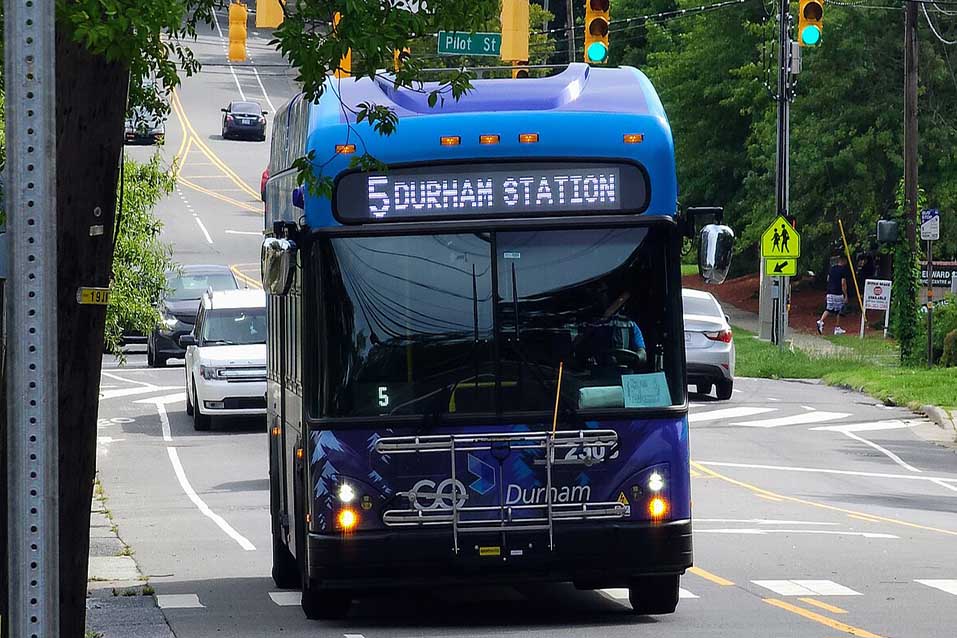
2. 🚍 GoDurham Buses: Yes, Locals Use Them—and So Can You
Public transportation in Durham might surprise you. The GoDurham bus system, run by the city, is one of the most accessible and well-connected systems I’ve used in a mid-sized American city.
These aren’t grey, grimy relics of the past—they’re clean, mostly on-time, and completely free to ride as of my last visit. I’ve chatted with nurses, students, and retirees riding Route 5 down Chapel Hill Road or Route 10 across downtown.
If you’re staying near downtown, East Durham, Duke, or South Square, you’re golden.
🚌 Traveler Tips:
- Use Google Maps or the Transit App to plan routes.
- Avoid early mornings and late nights unless you’re comfortable waiting.
- Most routes run every 30 minutes.
This is one of Durham’s best-kept secrets for budget travelers.

3. 🚴♀️ Cycling Is Growing—and Scenic
Durham is no Copenhagen, but it’s making big strides in becoming more bike-friendly. The American Tobacco Trail, which runs through Durham and beyond, is a local treasure. I rented a bike and pedaled all the way from downtown to Southpoint Mall—shaded trees, art installations, and zero car traffic.
You’ll also find many locals using bikes for short commutes around the Duke campus or between neighborhoods like Trinity Park and Golden Belt.
There are bike lanes, though they’re still spotty. That said, if you’re confident on two wheels, Durham rewards you with beauty and quiet.
🚴♀️ Pro Tip: Rent from Bullseye Bicycle or Durham Cycles. Or book in advance using Spinlister, a peer-to-peer bike rental platform.
4. 🚶♂️ Downtown Is Delightfully Walkable
If you’re staying in downtown Durham, you honestly won’t need a car for most of your exploring. The core is incredibly walkable, with wide sidewalks, good lighting, and a real sense of community.
From the Durham Performing Arts Center (DPAC) to the food mecca of Main Street, everything’s about a 10-minute stroll. And the walking experience is immersive—every mural, every local coffee shop, every small park adds to the city’s personality.
🌟 My Walking Loop: Start at Durham Central Park, grab coffee from Cocoa Cinnamon, head south past the Mural Alley, and end at American Tobacco Campus for lunch.
5. 🚕 Rideshares: Uber & Lyft Are Alive and Well
Like most American cities, Durham leans on rideshare apps for convenience. I’ve used Uber dozens of times—especially when heading back late from a show at Motorco or a nightcap at Alley Twenty Six.
Lyft also operates here, and I’ve found drivers to be friendly, quick, and familiar with the town. Prices are reasonable, especially outside peak hours.
💸 Money-Saving Tip: Consider downloading Hopper or Freebird, which sometimes offer cash back on ride bookings when linked to your credit card.
6. 🚌 Duke Transit: The Campus Bus Locals Actually Use
Before I ever stepped foot in Durham, I had no idea that Duke University offered a full-fledged, free-to-ride campus transit system. While it’s primarily built for students and faculty, it also serves large parts of central Durham—and many locals know how to take advantage of it.
The Duke buses are clean, fast, and reliable. I used them often when staying near Ninth Street. If you’re near the Duke East or West Campus, these shuttles are an easy, quiet way to get around—especially if you’re visiting the Sarah P. Duke Gardens, Nasher Museum, or going to a Blue Devils game.
🧭 Tip for Visitors:
- Download the TransLoc app to track Duke buses in real-time.
- The “C1” and “LL” lines are great for seeing large parts of the city for free.
I met a local who works downtown and takes Duke Transit to her job daily. “It’s faster than GoDurham during rush hour,” she told me. “And warmer in the winter.”
7. 🛴 Electric Scooters: Fast, Fun, and Everywhere
Durham’s streets are full of Bird and Lime scooters, especially downtown and around Duke. I was skeptical at first, but one spontaneous ride along Blackwell Street changed my mind—it’s like teleportation with a breeze.
Locals use them for short trips—to the bar, to class, to the gym. I’ve ridden them from American Tobacco Campus to Durham Bulls Athletic Park more times than I can count.
🛴 Insider Tips:
- Download the Bird or Lime apps before you arrive.
- Helmets aren’t enforced but strongly recommended.
- Always check for “no ride zones” around university areas.
They’re especially fun at night—just ride responsibly, and remember that sidewalks are off-limits.
8. 🚘 Zipcar and Turo: For When You Just Need a Car for a Few Hours
When I lived in a studio near downtown, owning a car didn’t make sense. But when I needed to get to Raleigh-Durham International Airport (RDU) or hit the trails in Orange County, I used Zipcar or Turo.
- Zipcar lets you borrow cars by the hour, and there are locations across Durham, including Duke University.
- Turo is like Airbnb for cars. I rented a hybrid for \$35/day to explore the countryside.
💡 Tip: Book early on Turo.com or Zipcar.com and filter for “free delivery” to your hotel or Airbnb. It’s far cheaper than traditional rental companies for short trips.
9. 🥾 Trails & Greenways: A Transportation Mode for the Soul
You wouldn’t normally think of hiking as “transportation,” but Durham’s trails are so interconnected that walking or biking them can actually replace a car—especially if you’re staying a few days.
My favorite? The Ellerbe Creek Trail, which runs through neighborhoods and parks, giving a peaceful, car-free route from downtown to North Durham. Locals use it to walk to yoga, commute to work, or even just grab a coffee.
🌿 Don’t Miss:
- American Tobacco Trail (for long bike rides)
- Third Fork Creek Trail (near South Durham)
For many Durhamites, these trails are more than recreation—they’re the commute.
10. 🚍 GoTriangle: The Regional Lifeline
When you need to get beyond Durham—to Raleigh, Chapel Hill, or even the airport—GoTriangle buses are your best friend. I used Route 400 to get to downtown Raleigh and Route 700 for trips to UNC.
These buses are clean, relatively fast, and shockingly cheap (less than \$3 for most routes).
🚌 Best Use Cases:
- Getting to RDU Airport cheaply
- Traveling between Duke and UNC
- Accessing regional festivals or sporting events
GoTriangle even has Wi-Fi on board, so I caught up on emails while watching the pine trees fly by.
🧳 Bonus: 5 Travel Platforms I Recommend for Getting to & Around Durham
Planning your Durham adventure? These are the tools I rely on again and again:
- Hopper: Predicts flight price drops and alerts you.
- Expedia: Great for bundling hotel + flight + car rental.
- Rome2Rio: Helps you map out multiple transport modes across cities.
- Uber and Lyft: For point-to-point in Durham.
- OpenTable: Reserve seats at busy Durham restaurants—especially helpful on game weekends.
These platforms are traveler-tested and local-approved. I’ve booked hotel stays through Expedia for less than \$100/night near Duke, and scored sub-\$200 roundtrip flights through Hopper.
🚦Moving Like a Local, Feeling Like One Too
If you’re a first-time visitor to Durham, let me say this: don’t obsess over renting a car. Take a chance. Ride the bus. Borrow a bike. Hop on that oddly parked scooter and explore a side street you’ve never heard of. Sit next to a Duke student and ask where they get late-night snacks. Walk instead of drive—Durham gives back when you take your time.
Because here in Durham, getting around isn’t just about movement. It’s about connection.
So pack light. Download a few apps. And remember: the way you move through Durham might just change the way you see it. It did for me.
And that’s why I keep coming back.