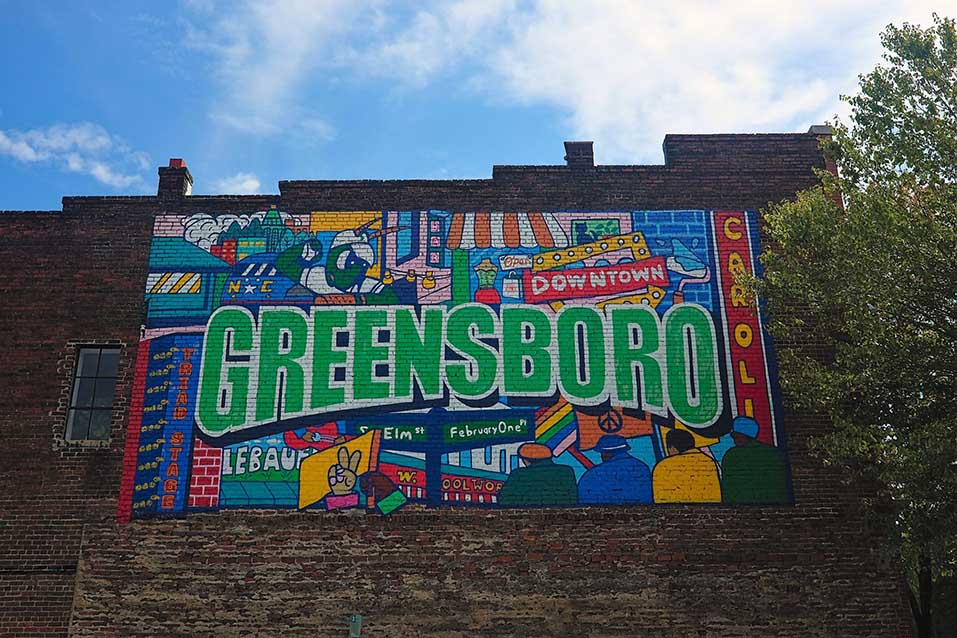
I have explored Raleigh, North Carolina, more times than I can count—and I always on the hunt for affordable family-friendly destinations—I can tell you this: Raleigh delivers. It’s clean, culturally rich, family-oriented, walkable, and surprisingly affordable when compared to many other U.S. cities of the same caliber.
The first time I visited Raleigh, I was a bit naïve with my budget. I expected it to be dirt cheap, and while it was more affordable than New York or LA, costs added up in sneaky ways: eating out too often, not booking tickets in advance, and falling for tourist traps. But now? I’ve cracked the code.
In this post, I’ll walk you through my own one-week Raleigh travel experience—costs, feelings, and all. I’ll also share 10 budget-savvy strategies that helped me save hundreds of dollars without sacrificing experience or comfort. Whether you’re a solo traveler, a couple on an anniversary trip, or a family of four, this guide will help you build a realistic and rewarding travel plan.
🏨 1. Book Lodging Like a Local (and Save Big)
Let’s start with one of the biggest expenses: accommodation. On my first trip to Raleigh, I went the traditional route—a charming boutique hotel downtown that cost me nearly \$200 a night. The room was nice, no doubt. Plush bedding, walkable location, and a fancy coffee machine I didn’t know how to use. But by day three, I realized I barely spent time in the room. My days were packed with sightseeing, and my wallet was quietly suffering.
Since then, I’ve learned my lesson. Now, I always turn to Booking.com and Airbnb when planning Raleigh getaways. These platforms offer diverse options—chic lofts in Five Points, historical townhouses in Oakwood, or cozy family homes in Boylan Heights. My most recent stay? A two-bedroom Airbnb with a full kitchen, washer/dryer, and a front porch swing. It cost me just under \$800 for the week—less than what three nights in that hotel would’ve run me.
Having your own kitchen is a game-changer. Not only can you whip up breakfast before heading out, but you also have the flexibility to cook dinner or prepare picnic lunches. I stopped by State Farmers Market and stocked up on local produce, cheeses, and artisan bread—delicious and budget-friendly.
Budget Tip #1: Always filter for properties with a kitchen and free parking. Also, check cancellation policies—some Airbnb hosts offer discounts for week-long stays if you book early.
🍴 2. Dine Smart: Local Eateries Over Chains
Raleigh’s culinary scene is wildly underrated. This city has serious flavor—from Southern staples to inventive global dishes—and the best part is, you don’t need to break the bank to enjoy it.
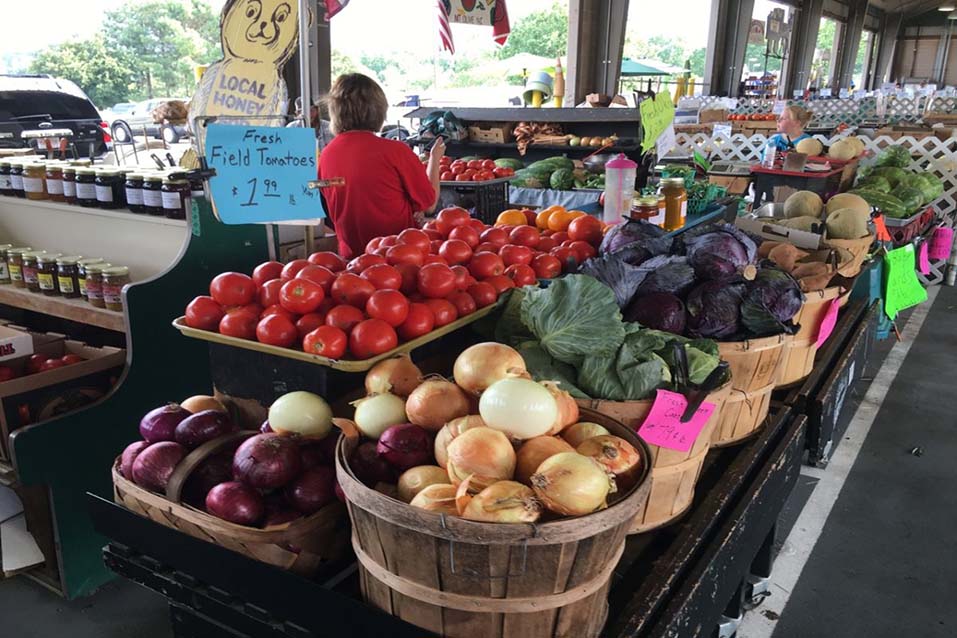
I set a food budget of \$250 for the week, and here’s how I pulled it off without sacrificing quality or experience:
- Breakfasts at the rental: Five mornings out of seven, I made my own breakfast—granola, eggs, local fruits, and strong coffee.
- Lunches at local cafés: My go-tos are Jubala Coffee (their pimento cheese biscuit is life-changing) and Sosta Café, a quiet gem downtown serving warm paninis and fresh salads for around \$10–\$15.
- Dinner strategy: I allowed for one splurge at Bida Manda, an elegant Laotian restaurant with warm ambience and rich, flavorful dishes. The rest of the dinners were mid-range favorites like Beasley’s Chicken + Honey, where the fried chicken is crispy perfection, and Irregardless Café, which offers vegetarian-friendly comfort food and often features live jazz.
I never once felt like I was skimping—just eating smart.
Budget Tip #2: Use Yelp and OpenTable not only to scope out ratings but to hunt down Happy Hour specials, lunch deals, or prix-fixe menus. Some of Raleigh’s best restaurants offer smaller plates or combo deals during early dinner hours.
Also, don’t be afraid of food trucks—they’re everywhere and often serve some of the most creative bites in the city for under \$10.
🚗 3. Skip the Car Rental (Most of the Time)
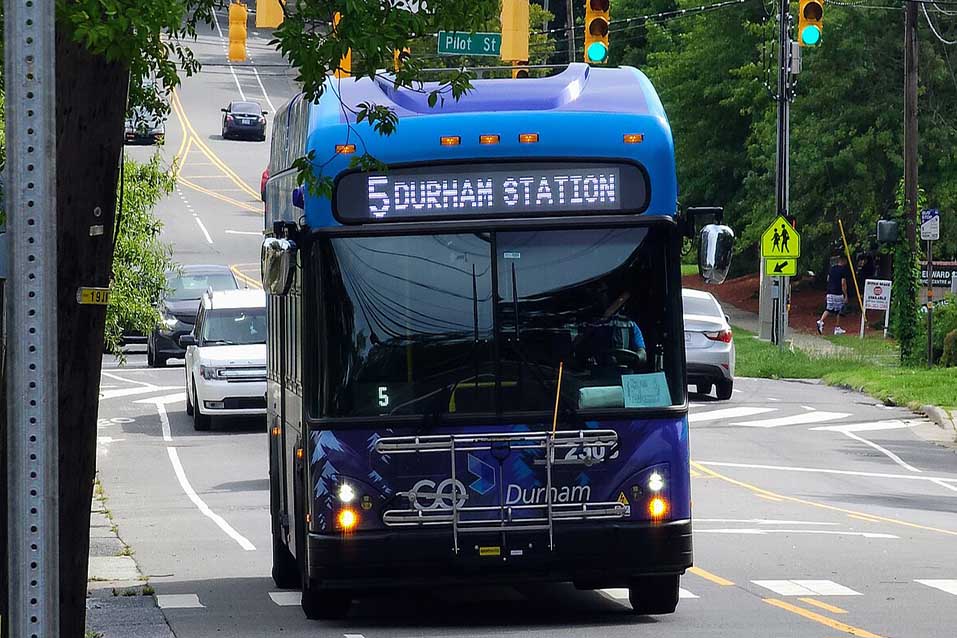
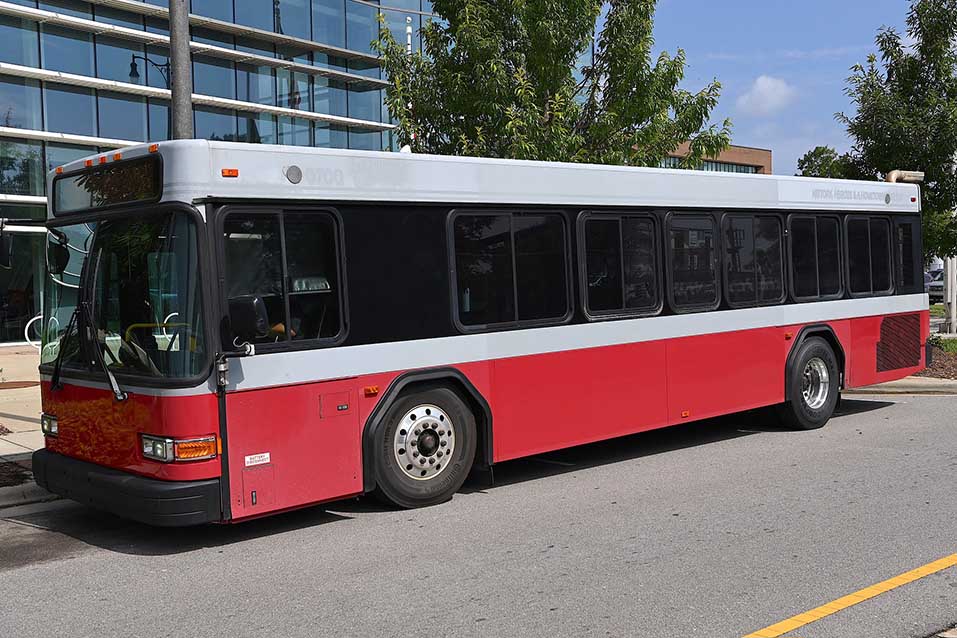
Unless you’re planning to explore the outskirts or do day trips to Durham or Chapel Hill, skip the car. Raleigh is walkable, and the GoRaleigh bus system is efficient and clean.
I used ride-shares (via Lyft) a few times, but for the most part, I walked or took public transport.
Estimated Transportation Spend: \$80 total for 7 days, compared to nearly \$350 for a car rental + gas + parking.
Budget Tip #3: Get a GoRaleigh day pass for just \$2.50. Unlimited rides. It’s a steal.
🎟️ 4. Don’t Pay for Every Museum
If you’re traveling with kids (or even if you’re a curious adult like me), Raleigh’s museum scene will blow you away—and much of it won’t cost a dime. The city truly embraces the idea that education and exploration should be accessible to all, and I was honestly surprised by how many world-class museums were completely free.
Let’s start with the North Carolina Museum of Natural Sciences, located downtown at 11 W Jones St. This place is enormous, with two connected buildings packed full of dinosaur skeletons, live animal habitats, hands-on science labs, and a stunning indoor tropical forest filled with butterflies. I visited with my daughter, who’s obsessed with bugs and fossils, and we spent nearly four hours there without once hearing the words “I’m bored.”
Right around the corner is the Marbles Kids Museum (201 E Hargett St). While not entirely free—adults get in free, but children pay a small admission fee—it’s one of those places where kids can explore, build, climb, and play to their heart’s content. They have everything from a pretend grocery store to a giant pirate ship. And honestly, watching your kids light up while learning through play is worth every penny.
And then there’s the North Carolina Museum of Art (2110 Blue Ridge Rd). It’s an underrated treasure. Not only are most exhibits free, but the real magic lies outside: their open-air Museum Park features huge sculptures, walking trails, and wide grassy areas that are perfect for a family picnic or a quiet afternoon sketching.
These museums became our budget-friendly anchors. I didn’t feel like I was sacrificing anything—we saw more than we could in any paid venue elsewhere.
Budget Tip #4: If you’re planning to see special exhibits (like traveling collections or IMAX shows), use platforms like Viator or GetYourGuide. They often have skip-the-line tickets, combo passes, or bundle discounts for multiple attractions. Booking ahead also helps avoid sold-out shows and long queues, especially during weekends or school breaks.
🛍️ 5. Know When to Splurge on Souvenirs
One of the hardest parts of staying on budget while traveling is navigating the souvenir game. It’s easy to fall into the trap of airport shops or overpriced tourist stands filled with t-shirts and magnets. But Raleigh is refreshingly different.
The city has a genuine local maker culture, and that’s where I put my souvenir dollars. My favorite stop? Deco Raleigh—a fun, independent shop filled with locally made goods, clever greeting cards, handcrafted jewelry, and Raleigh-themed art that doesn’t feel cheesy. I also loved Raleigh Denim Workshop, where I picked up a minimalist tote bag that I now use daily. The quality is amazing and feels like a real memory, not a throwaway item.
Museum gift shops were also unexpectedly great. At the Museum of Natural Sciences, I found adorable animal-themed children’s books and even real fossil kits for under \$20. One of my favorite finds was a handmade soap and pottery set from the art museum gift shop—perfect for gifting (or keeping, in my case).
Budget Tip #5: Set a strict souvenir budget before you go shopping—say \$50 or \$60—and try using cash only. That way, you won’t be tempted by impulse buys. Also, look for dual-purpose items: like a tea towel that becomes kitchen décor or a reusable water bottle that also serves as a keepsake. Thoughtful, affordable, and practical.
✈️ 6. Flights to Raleigh Can Be Dirt Cheap (If You Know Where to Look)
Flying into RDU Airport is surprisingly affordable from most U.S. hubs. My personal go-tos:
- Google Flights to track drops
- Hopper for predictive booking
- Skyscanner for budget carriers
My most recent flight? Boston to RDU for \$91 round-trip on JetBlue. I booked it 5 weeks in advance and used points for an even better deal.
Budget Tip #6: Book midweek (Tues-Wed) and fly midweek—airfare can be up to 40% cheaper.
🎉 7. Free Events = Hidden Gems
Raleigh always has something going on—from First Fridays downtown (free art, music, and food tastings) to seasonal markets, concerts, and street festivals.
I caught a free bluegrass show in Moore Square and a pop-up yoga class in Pullen Park—both zero cost, maximum joy.
Budget Tip #7: Follow Visit Raleigh or Downtown Raleigh Alliance on social media for event calendars.
🛌 8. Stay Just Outside the City Center
If you’re okay with being a 10-minute Uber from downtown, neighborhoods like Cameron Village, North Hills, or Brier Creek offer cheaper lodging and free parking.
These areas are quieter, family-friendly, and often closer to grocery stores—another budgeting bonus.
Budget Tip #8: Check Hotwire and Priceline for last-minute hotel deals in these zip codes.

🏞️ 9. Embrace the Outdoors—It’s Free
Raleigh is a paradise for outdoor lovers. The Neuse River Trail, William B. Umstead State Park, and JC Raulston Arboretum are all stunning and absolutely free.
I spent a full day biking the greenways with my family. We packed a picnic, rented bikes through Cardinal Bike Share, and it was one of the highlights of the trip.
Budget Tip #9: Bring your own refillable water bottles and snacks for trail days to avoid overpriced convenience store stops.
🧾 10. Budget Breakdown (What I Actually Spent)
Here’s what one week in Raleigh cost me (as a solo traveler with occasional meet-ups with family):
- Flight: \$91 (JetBlue)
- Accommodation: \$770 (Airbnb, 6 nights)
- Food & Drink: \$240
- Transport: \$80
- Activities & Museums: \$45
- Souvenirs: \$60
- Misc. & Tips: \$30
Total: \$1,316
Not bad for a full 7-day trip with style, flavor, and more than a few unforgettable moments.
If you’re planning your first trip to Raleigh, don’t stress over the budget. With a little research and flexibility, this city offers world-class experiences without the world-class price tag.
Just remember: travel smart, plan ahead, and leave space for spontaneous wonder—that’s where the real magic happens.